
Academic and career stress among adolescents (ages 10–19) has reached critical levels, with nearly 70% of teenagers reporting significant school-related pressure. Driven by intense academic competition, parental expectations, and uncertainty about future careers, this stress can lead to burnout, insomnia, anxiety, and even severe depression.
Key Aspects of Adolescent Stress
- Prevalence: A large percentage of teenagers experience moderate to high academic stress, with around 31.3% reporting very high stress levels in certain studies.
- Sources of Stress: Major stress factors include early school schedules, heavy academic workload, exam pressure, parental expectations, and peer competition.
- Impact on Well-being: Unmanaged stress can lead to negative thinking patterns, academic burnout, poor sleep, frustration, and in severe cases, risk of self-harm.
- Gender Differences: Studies indicate that female students often report higher stress levels compared to male students.
- Career Pressure: Students in higher classes face intense pressure related to college admissions and future career decisions.
- Mediators: Loneliness and sleep deprivation significantly contribute to anxiety and depression linked to academic stress.
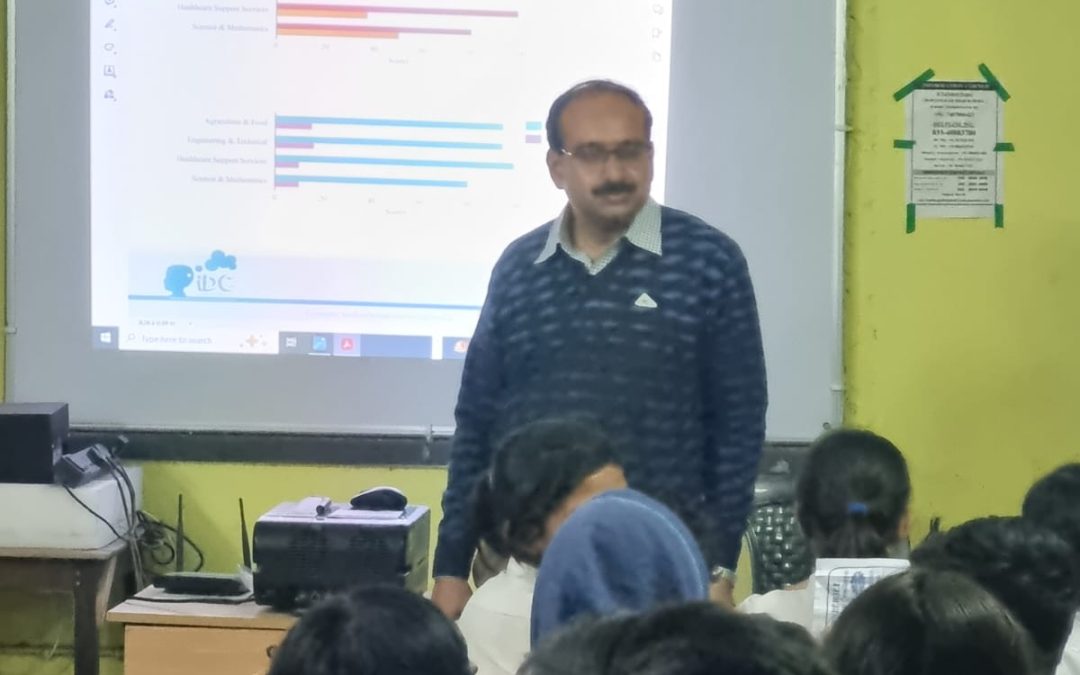
These challenges can be effectively addressed through timely intervention by qualified adolescent counsellors. They work closely with students, parents, and teachers to understand concerns and provide practical solutions for managing academic and career-related stress.
Stress Management Strategies
- School Support: Schools should provide behavioral and career counselling while creating a supportive learning environment that reduces unnecessary pressure.
- Coping Mechanisms: Students should be guided with proper career knowledge, psychometric-based counseling, and realistic insights into the future job market.
- Parental Communication: Open discussions between parents and children about career goals can reduce anxiety caused by unrealistic expectations.
- Mental Health Focus: Prioritizing sleep, physical activity, and social interaction helps improve emotional well-being and reduce stress.
Practical Tips for Teenagers
- Exercise regularly and maintain a balanced diet.
- Follow a consistent and healthy sleep routine.
- Avoid excessive caffeine, as it can increase anxiety.
- Stay away from harmful substances like drugs, alcohol, and tobacco.