
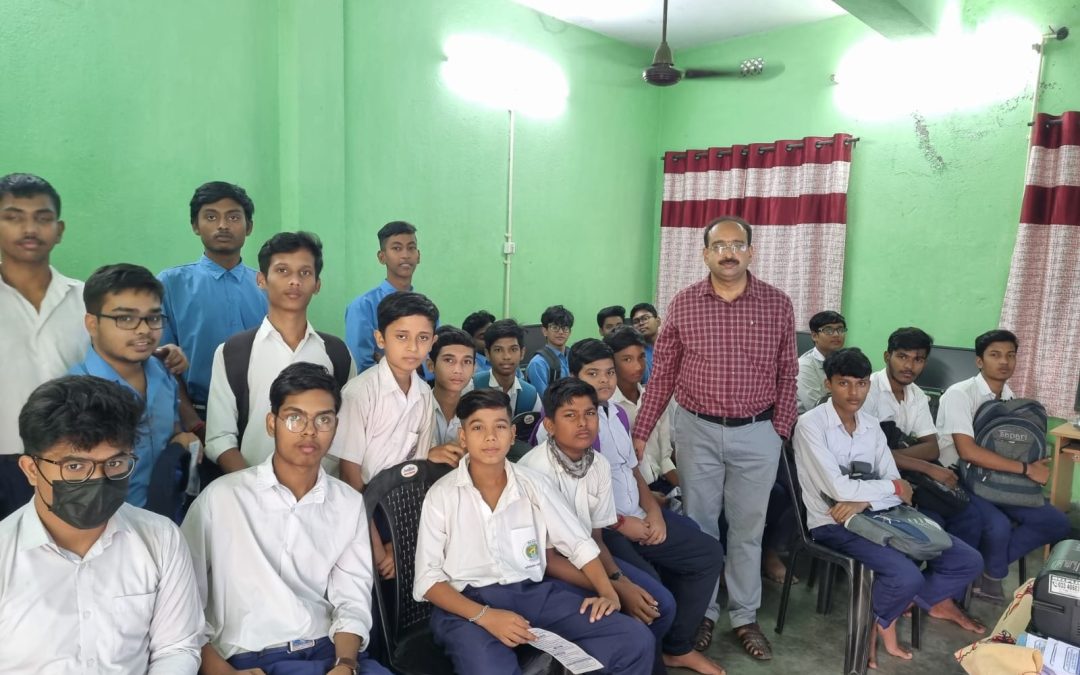
Children have fundamental legal rights to access health, education, and protection. UNICEF highlights that children are not just “people-in-the-making” but individuals in their own right, as today’s child is tomorrow’s citizen.
Helping children cope with uncertainty involves creating predictable routines, encouraging open communication, and focusing on controllable actions. Key strategies include limiting exposure to distressing news, modeling calm behavior, and engaging in sensory-rich activities like playing outdoors or crafting. In some cases, consulting a child counsellor can provide additional support.
Strategies to Help Children Manage Uncertainty
- Establish Routines: Maintain consistent daily schedules for meals, schoolwork, and bedtime to provide stability during uncertain times.
- Open Communication: Encourage children to share their concerns, listen carefully, and respond honestly without overwhelming them.
- Model Calmness: Children observe adults to understand how to react. Show calm behavior and share simple coping thoughts like “We are safe.”
- Limit Media Exposure: Monitor and restrict access to news and social media to reduce anxiety. Seek guidance from professionals if needed.
- Focus on the Controllable: Help children shift attention from abstract worries to practical actions like planning activities or helping others.
- Engage in Calming Activities: Encourage drawing, playing with pets, deep breathing, or spending time in nature to reduce stress.
- Encourage Social Connection: Promote bonding with friends, family, and community to prevent isolation.
- Validate Feelings: Acknowledge emotions like worry or frustration and reassure children they are not alone.
- Utilize “Worry Time”: Set aside a short daily time to discuss worries, preventing them from dominating the entire day.
Practical Activities and Tools
- The 3-3-3 Rule: A grounding technique where the child names three things they see, three sounds they hear, and moves three body parts to regain focus.
- Worry Time: Allocate 10–15 minutes daily for children to express or write down worries, then set them aside.
- Physical Activity & Nature: Encourage outdoor play and exercise to naturally reduce stress and regulate emotions.
- Storytelling: Share real-life experiences of overcoming challenges to build resilience, hope, and perspective.
Before to conclude it is suggested that if your child’s anxiety , nervousness etc. becomes persistent, leads to severe avoidance, or interferes significantly with their daily life , it may be beneficial to consult a Certified Child Counsellor as the earliest for important support.