
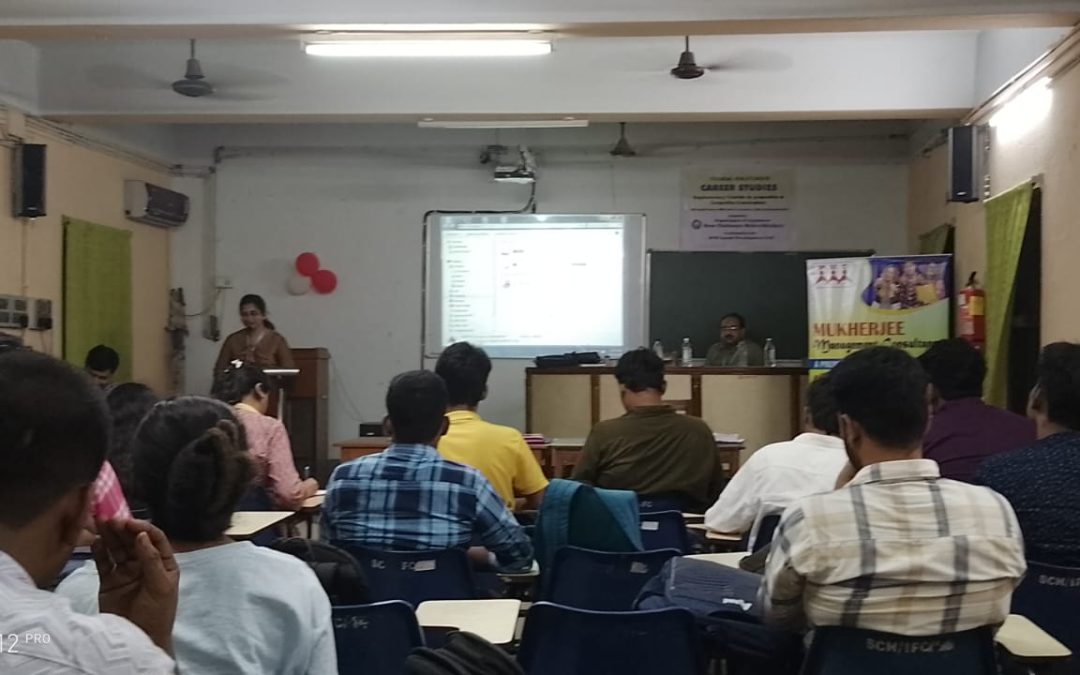
After Class 12 any student’s or parent’s immediate next step is opt for pursuing an academic or professional bachelor’s degree or professional certification which would be aligned with your stream, career goals and positively be job market scenario. Options to students range from traditional academic degrees like B.Sc, B.Com, BA in different subjects to technical or professional business programs like B.Tech, BBA, MBA, LAW etc. and specialized professional pathways like Law, CA, CS, CMA etc. any Designing courses. On the other hand students may be settled in career by doing vocational or any skill based training programs.
Exploring the right career path to the right students depends on lot of factors like student’s background, demographic profile, ability, attitude to work and others.
From last 24 years journey as career coach according to my view careers are broadly classified into two heads like professional career and vocational career. I would like to explain first the differences between these two types of careers as below.
An professional career focuses on broad theoretical and practical in depth knowledge, research, critical thinking, problem solving etc. It generally requires traditional degrees like B.A., B.Sc., B.Tech, Medical, Law etc. and masters in respective subject along with CA, CMA, CS, CFA etc. and prepares students for roles requiring advanced study as per suitability. After achieving professional degree a student can set his job centric direction either in corporate focused or government jobs or self employed basis keeping in mind how he or she like to project in his or her career. In this section a student need more dedication, patience, in depth study, stay focused and more time consuming than vocational career. In this section both government and corporate sectors jobs are open. In a single word like to say professional career is a long term based.
On the other hand a vocational career focuses on hands-on, real hand on the job-specific training on skill based for immediate employment in a specific trade. It leads to any certifications, diplomas, or apprenticeships from appropriate authority and prepares the student for roles like an electrician, plumber, IT specialist, jewelry cutting & designing, travel, tourism, hospitality etc. and more over it helps them to get into job as the earliest. Its obvious students can absolutely secure government jobs as well as private sectors jobs after completing a vocational career or education from appropriate government or private institutes, vocational training centers or colleges. Vocational qualifications such as ITI certificates, polytechnic diplomas, or B.Voc degrees having open doors to a variety of skilled technical, administrative assistant, and specialized roles in both state, central government and private sectors. Its imply basically short term to very short term courses.
As a carer coach I do feel more detailed comparison of the two career paths as below:
Professional or Academic Career
- Primary Focus: Deep rooted understanding of subject concepts, research methodologies, theory and practical part. A professional career applies practical skills to solve real-world problems in corporate, government, industrial, or clinical settings.
- Education Time Frame: Usually 3 to 4 years for an undergraduate degree as per NEP, often followed by Master’s or Ph.D. programs and many more.
- Job Entry: Job entry must be delayed. Student often spend years of learning before entering the workforce for building a broad foundation.
- Common Carrer Paths: Engineering, Law, Hospitality, Tours & Travel Management, Medicine, Teaching, Scientific Research, Corporate Management, Data science, software engineering, infrastructure management, investment banking, tax assurance etc.
- Advantages and Disadvantages: Professional career is highly flexible which allows you to switch fields later as and when required. However, it is often very expensive and doesn’t always guarantee immediate job readiness as it depend lot of factors as previously mentioned.
Vocational Career
- Primary Focus: It is direct, practical, “hands-on” skills designed to make you immediately make job ready with true sense productive in nature in the workplace.
- Education Time Frame: It is shorter and more accelerated, typically ranging from a few months to 2 years considering the gravity of courses and as per job opportunity.
- Work Entry: It’s treated as immediate joiner. Courses are specifically designed to fulfil industry needs so vocational career oriented candidates can start working right away.
- Common Job Paths: Automotive Repair, Plumbing, Culinary Arts, Beutician, Cosmetology, Electrician, specific specialized IT fields, CNC Operators, Marine Technicians, Multi-Skilled Service Technicians, Cabin Crew / Aviation Trainees, Hotel or Restaurant Chefs, Management Trainees, Academic Counselors, Business Development Executives, and Digital Marketers etc.
- Advantages and Disadvantages: Its highly affordable, cost-effective, and leads to faster, secure employment but low to medium career progression into management or a change of industry can be more very must restrictive.
In my point of view three broad stream like science, commerce and humanities based category of career based discussion is as under. Moreover I would like to concentrate each stream is categorized under professional or vocational career with job opportunity manner.
SCIENCE
A. Top Science Vocational Fields & Courses
Here in context vocational paths (such as ITI programs, Diploma programs or certificate courses) which connect directly to specific job roles:
1. Healthcare & Paramedical
- Courses: Diploma in Medical Lab Technology (DMLT), BMLT, DRIT, Radiology Technician, Operation Theatre (OT) Technician, Dialysis Technician, EMT, Dialysis Technician, OTT etc.
- Career Focus: Lab Technician, X-ray, MRI Technician or Assistant, Dialysis Technician etc.
- Focus: Hands-on clinical skills, diagnostics and patient support in their respective jobs.
2. IT, Software & Cybersecurity
- Courses: Certificate or Diploma in Data Analytics, Cybersecurity, Networking, or Software Testing, Ethical Hacking etc.
- Career Focus: Cybersecurity Analyst, Data Analyst, Network Administrator, Ethical Hacker etc.
- Focus: Practical coding hand on training, threat analysis IT infrastructure management and many more.
3. Specialized Technical & Applied Sciences
- Courses: Diploma in Engineering (Polytechnic) in fields like Electrical, Civil, Computer Science, Mechanical, or Biotechnology, B.Voc, ITI etc.
- Career Focus: Join as Junior Engineer, Quality Control Inspector, Maintenance Supervisor and many more role to play.
- Focus: Machinery operation, manufacturing, maintenance and applied physics/chemistry etc.
Popular Vocational Credentials
- ITI (Industrial Training Institute): Highly practical, trade-specific certificates for technical roles (e.g., Electrician, Fitter, Instrument Mechanic).
- D.Voc (Diploma of Vocation) / B.Voc (Bachelor of Vocation): Industry-aligned university programs blended with general education with skill-based training.
- Advanced Diplomas: 1-2 year specialized training in areas like Agriculture (Seed Technologist), Food Science Bio Technology, Cosmetology etc.
B. Top Science Professional Fields & Courses
1. Computer Science & Emerging Technologies (PCM Stream)
- Key Courses: B.Tech/B.E. in Artificial Intelligence and Data Science, Computer Science Engineering (CSE), or Cybersecurity, BCA, B.Sc( Computer Science, Data Science ), Courses from DOECC, distance education from IGNOU, NSOU etc.
- Career Focus: AI/ML Engineer, Data Scientist, Full Stack Developer, Cybersecurity Analyst etc. be the job opportunity.
- Why Choose It: Explosive job growth driven by global digital transformation with AI combination also give more milage in career. High starting packages and remote-work viability also depends on knowledge and skill etc.
2. Medicine & Healthcare (PCB Stream)
- Key Courses: MBBS (Bachelor of Medicine, Bachelor of Surgery), MS, MD, BDS (Dental Surgery), or B.Sc. Nursing Registered Dietician etc.
- Career Focus: General Physician, Surgeon, Clinical Specialist, ICU/Staff Nurse, Dietician, Nutritionist etc.
- Why Choose It: High respect in society and else where, immense job security, and structural demand. B.Sc. Nursing graduates are also highly sought after for international roles. Nutritionist and Dietician is also a major role in this job opening.
3. Pharmacy & Biotechnology (PCB / PCM Streams)
- Key Courses: B.Pharm (Bachelor of Pharmacy), B.Sc./B.Tech in Biotechnology or Food Technology, Bioprocess Technologies, Clinical Research, Pharmaceutical Biotechnology etc.
- Career Focus: Research Scientist, Biotechnologist, Food Technologist, Pharmacist, Food Inspector etc.
- Why Choose It: Crucial roles in the booming pharmaceutical industry, drug development, and food safety sectors are playing a pivotal role.
4. Applied Sciences & Research
- Key Courses: B.Sc. in Data Science, Forensic Science, or Environmental Science.
- Career Focus: Data Analyst, Forensic Scientist, Environmental Consultant, Environmental Research Associate.
- Why Choose It: Excellent alternative for those interested in scientific investigation, sustainability, and data-driven roles without strictly following the engineering or medical entrance tracks.
COMMERCE
A. Top Commerce Vocational Fields & Courses
1. Finance, Accounting & Taxation
These courses build on your core commerce subjects and prepare you for immediate jobs as an junior accountant, accountant, auditor, financial analyst or financial assistant.
- Diploma in Business Accounting & Taxation: Covers GST, Income Tax, Professional Tax Tally and payroll management, Diploma in Accounting & Taxation etc. (Duration: 6–12 months approx.)
- Certificate in Tally & GST: Hands-on skill based training in computerized accounting and tax filing. (Duration: 3–6 months approx.)
- Diploma in Banking, Finance & Insurance: Trains you for clerical and advisory roles in private banks or financial firms. (Duration: 1 year approx.)
2. Marketing & Management
If you want to move into business operations, sales, or advertising.
- Diploma in Digital Marketing: Focuses on SEO, social media marketing, and pay-per-click (PPC), affiliate marketing, POP UP, advertising, Digital Marketing & Analytics etc. (Duration: 6 months–1 year approx.)
3. Degree-Level Vocational Programs (B.Voc)
If you want a full 3-year undergraduate degree but with a highly practical courses highly skill-based curriculum rather than a traditional academic structure.
- B.Voc in Banking and Finance
- B.Voc in Accounting, Taxation and Auditing
- B.Voc in Retail Management and Logistics
4. IT & Software
Commerce students can successfully transition into tech-driven roles by learning relevant software applications. In modern days it is suitably found that many commerce students shift their career in IT and software based for getting job quickly.
- Diploma in Computer Applications (DCA) or Web Design: Covers basic computer application with MS Office, database management, and basic front-end web development, Python, UI/UX, Software Testing etc. (Duration: 6–12 months approx.)
- Data Analytics: Bridges business concepts with data interpretation using tools like advanced Excel and other analytical tools to support business analytics.
B. Top Commerce Professional Fields & Courses
1. Accounting & Taxation
- Key Roles: Key roles in this section Chartered Accountant (CA), Certified Public Accountant (CPA), Cost and Management Accountant (CMA), Company Secretary (CS) etc.
- Core Courses: CA, CS, CMA (Foundation to Final), ACCA Qualification India.
- Focus: Ideal student have a strong analytical skills and want to manage corporate audits, taxation, and financial reporting and others.
2. Banking & Finance
- Key Roles: Investment Banker, Financial Analyst, Portfolio Manager.
- Core Courses: CFA Program, B.Com in Financial Markets, or BBA in Banking & Finance, Certified BFSI Professional (CBP), Diploma in Banking & Finance (DB&F), Financial Modeling & Valuation Analyst (FMVA), Certified Financial Planner (CFP) etc.
- Focus: Best for students looking to work in wealth management, corporate finance, or the share, stock & bond market and many more.
3. Corporate Law & Governance
- Key Roles: Company Secretary (CS), Corporate Lawyer.
- Core Courses: ICSI CS Course or Integrated BA LLB / B.Com LLB five years for fresher after HS completion and three years for experienced one, SWAYAM Corporate Law & Business Management, Vskills Certified Corporate Governance Professional, IICA Six Months Certificate Course on Corporate Law etc.
- Focus: Perfect if student prefer legal compliance, corporate governance, and understanding legal contracts over daily book keeping and others.
4. Business Management & Strategy
- Key Roles: Business Consultant, Human Resources (HR) Manager, Digital Marketer, Marketing Manager, Finance Manager etc.
- Core Courses: BBA (Bachelor of Business Administration) or BMS (Bachelor of Management Studies). After graduation in any subject or BBA or BMS etc. students can opt for MBA in chosen specialization.
- Focus: Best if you are naturally inclined toward leadership, sales, marketing, finance, supply chain etc. and overall business operations. In present time sports management, heath care management, agricultural management are very demanding in modern job perspectives.
5. Data Analytics & Tech-Commerce
- Key Roles: Data Analyst, Business Intelligence Specialist, Data Engineer (Tech-Commerce), Fintech Consultant.
- Core Courses: B.Com in Data Analytics, BCA, Power BI course, Google Data Analytics Professional Certificate (via Coursera), ata Analytics for E-Commerce Microcredential (via FutureLearn), Advanced Certificate Programme in Business & Data Analytics etc.
- Focus: Here the fastest-growing tech field for commerce students involves making sense of business data and consumer trends and statistical analysis in the view of business trends.
HUMANITIES
A. Top Humanities Vocational Fields & Courses
1. Media, Mass Communication & Digital Marketing
- Why Choose: Very high demand for content creators, digital marketers, and journalists in this digital economy.
- Core Courses: Bachelor of Arts in Journalism and Mass Communication (BAJMC), BSc or BA in Animation and Design, or Degree, Diploma in Digital Marketing.
- Focus: It helps to brand awareness, shaping public opinion and driving consumer action through strategic storytelling and other activities.
2. Law & Legal Studies
- Why Choose: Ideal for students passionate about public policy, advocacy, and corporate law.
- Core Courses: Diploma in Paralegal Practice (DIPP), Certification in Cyber Law, Intellectual Property Rights (IPR), Taxation Law, and Labour Laws etc.
- Focus: The legal systems, interpreting laws, and shaping justice to support students.
3. Design, Animation & Fine Arts
- Why Choose: High-growth creative sectors combining storytelling with visual aesthetics.
- Core Courses: Fine Arts & Sketching, 2D & 3D Animation, Motion Graphics & VFX, Visual Communication etc.
- Focus: Transform student’s creative expression and storytelling into marketable, high-demand skills for the digital media, entertainment, and visual communication industries.
4. Psychology & Allied Sciences
- Why Choose: Exponential increase in awareness of mental health, driving corporate and clinical roles.
- Core Courses: B.Voc in Healthcare Management or Advanced Diploma in Psychological Counselling, Advanced Diplomas in Child Guidance and Counselling, Diplomas in Corporate Psychology etc.
- Focus: The scientific study of the human mind, brain, and cognitive behavior.
5. Hospitality, Travel & Event Management
- Why Choose: Strong focus on customer experience, hotel operations, and global tourism.
- Core Courses: Certification in Event Management, Hospitality, Travel Operations etc.
- Focus: This type of courses trains you to design and oversee seamless customer satisfaction across the service sectors.
B. Top Humanities Professional Fields & Courses
1. Law and Public Policy
This field is highly rewarding for those interested in justice, corporate governance, and civil services.
- Top Courses: BA LLB (Integrated), BBA LLB (Integrated), LLB etc.
- Key Professional Roles: Corporate Lawyer, Litigation Attorney, Judge, Civil Servant (UPSC/State PSC).
- Focus: The intersection of legal frameworks, policy and governance, exploring how legislation is designed, implemented, and evaluated to address societal challenges.
2. Media, Journalism, and Marketing
Perfect for individuals with strong communication skills and a knack for storytelling.
- Top Courses: Bachelor of Journalism and Mass Communication (BJMC), BA in Journalism, BA in Media Studies etc.
- Key Professional Roles: Journalist, Content Strategist, Public Relations (PR) Specialist, Digital Marketer.
- Focus: This type of courses shape public narratives, analyze audience both primary and secondary data, and build strategic brand communications effectively.
3. Psychology and Mental Health
Ideal for candidates curious about human behavior, cognition, and societal well-being.
- Top Courses: BA/B.Sc in Psychology, Industrial Psychology, BA (Hons.) in Applied Psychology etc.
- Key Professional Roles: Clinical Psychologist, Counselor, Human Resources (HR) Manager, Organizational Psychologist.
- Focus: For these types of courses benefits underlies understanding, assessing, and treating psychological anxiety, phobia, disorders while promoting emotional balance.
4. Design and Creative Arts
A booming sector for creative minds focused on aesthetics, fashion, and visual problem-solving.
- Top Courses: Bachelor of Design (B.Des), Bachelor of Fine Arts (BFA), BA in Graphic Design etc.
- Key Professional Roles: Fashion Designer, UI/UX Designer, Interior Designer, Animator.
- Focus: This type of courses encourages students to develop visual literacy, digital innovation, and studio practice as job and entrepreneurial way.
5. Economics and Business
For analytical thinkers interested in financial markets, public policy, and corporate strategy.
- Top Courses: BA /B.SC. (Hons.) Economics, BBA, Bachelor of Management Studies (BMS), B.A. Business Economics (BBE), and BBA in Finance and Economics etc.
- Key Professional Roles: Economist, Financial Analyst, Data Analyst, Investment Banker.
- Focus: Economics and Business studies guide students how to allocate limited resources efficiently, analyze market research with trends, and make data-driven, strategic decisions for businesses and organizations as well.
From the above discussion as career coach I try to highlight few vocational and professional courses science, commerce and humanities domains to make vivid picture for application of the course. Moreover, I would draw students, parents, teachers Liberal Arts courses which encompasses a broad interdisciplinary curriculum across humanities, social sciences, natural sciences, and the arts also. This Liberal Arts courses basically designed to foster critical thinking, communication, and problem-solving which allow students to customize their studies rather than focusing on a single, highly specialized career track which is order of the day.
In my view a student’s career totally depends on student’s knowledge development mentality, focusness, merit, skills set, attitude, interest, passion, personality etc. Another few matters need to be considered like student’s family background & economic back ground, time in hand to student to be placed. According to situation if student feel he or she can continue his or her study online or distance mode along with job also.
If required we take advantage of psychometric assessment Test of student to understand student’s aptitude, interest, psychology & career cluster, discussion with parents and counsel the student considering lot of factors before to give final judgement by me and recommend for suitability of student either to choose Professional or Vocational Course in his or her career path.
In conclusion, getting the job is tough but retaining the job is more than that. In that case a student or professional must feel the urge to upskill himself or herself at any cost to cope up with the present job market scenario.